
People You Never Hear Make It All Worth Listening To.
Turn on the radio and, naturally enough, you think of the person behind the microphone.
It might be the presenter who starts your day, the journalist telling you what has happened in your town, or the sports commentator somehow managing to make the last five minutes of a county final feel even more nerve-racking than they already are.
Over time, you get to know those voices.
That relationship is one of radio's great strengths. In fact, radio has repeatedly been found to be Ireland's most trusted medium. The latest Eurobarometer research found that 80% of Irish people trust radio – ahead of television, the press, the internet and social media.
We believe local radio adds another dimension to that relationship.
At Midlands 103 and South East Radio, we don't just broadcast to the communities we serve. We are the heart of them.
Our people live here. We shop here. Our children go to school here. We worry about the same roads, celebrate the same sporting successes, watch local businesses open their doors and sometimes, sadly, close them. We eat, sleep and drink what is happening in our communities.
You hear that through the speakers every day.
But what about all the people you don't hear?
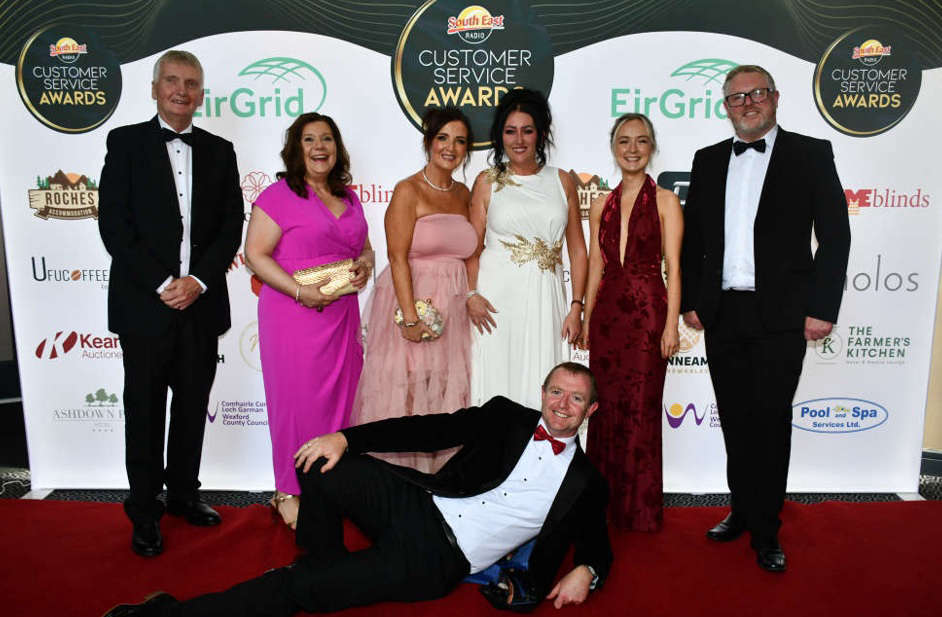
South East Radio Staff, Customer Service Awards, June 2026
The radio station you never hear
A radio station is, first and foremost, a business.
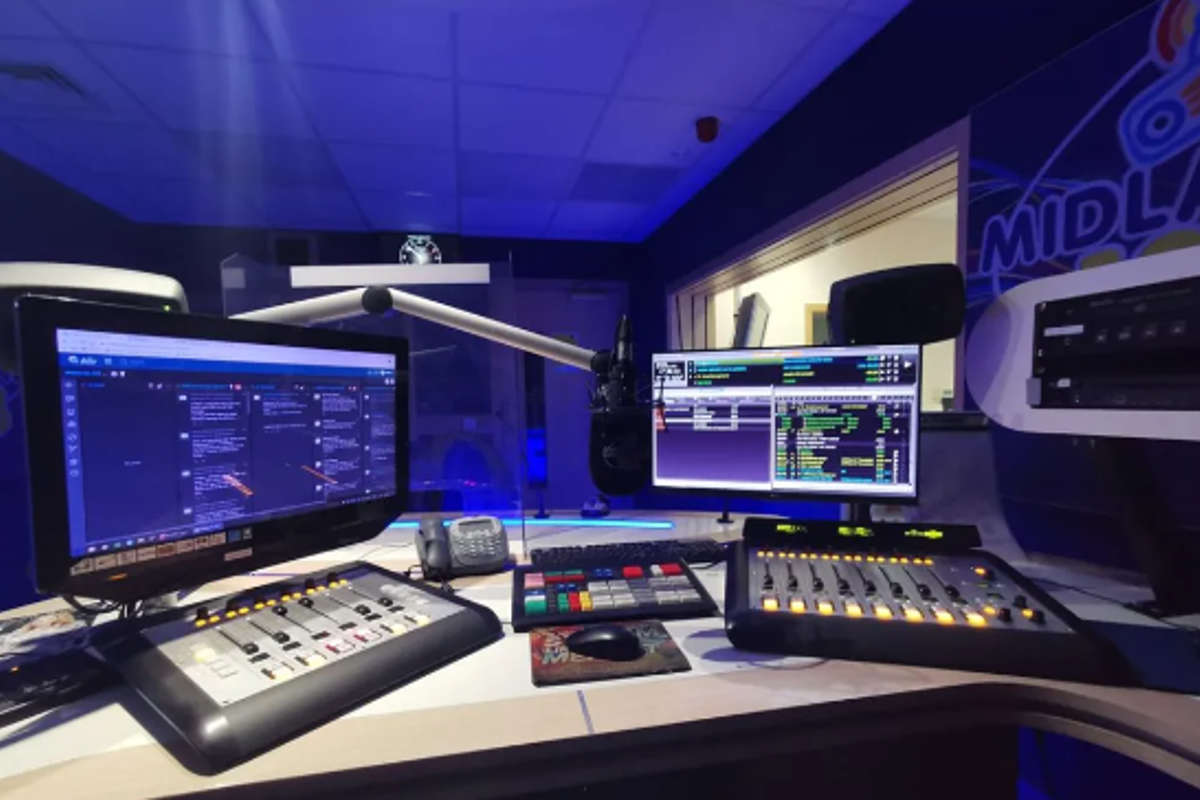
Behind the microphones and mixing desks you'll find many of the functions you'd expect in any successful company: finance, administration, sales, marketing, IT, engineering, operations and increasingly, a substantial digital operation.
Someone has to make sure the bills are paid. Someone has to schedule hundreds of commercials so that the right advertisement plays at the right time. Someone has to keep increasingly complex broadcast and IT systems running – and, more importantly, be thinking about the technology we'll need tomorrow.
Journalists are chasing stories. Producers are planning programmes. Commercial production staff are turning a client's idea into an advertisement. Digital content creators could be editing video, designing graphics, photographing an event or turning a great piece of radio into something that can reach an entirely different audience online.
And somewhere in the middle of all of this is a conversation at a desk, in a corridor or beside the proverbial water cooler:
"Have you thought about doing it this way?"
That's an important part of working in radio.
Good ideas don't respect job titles.
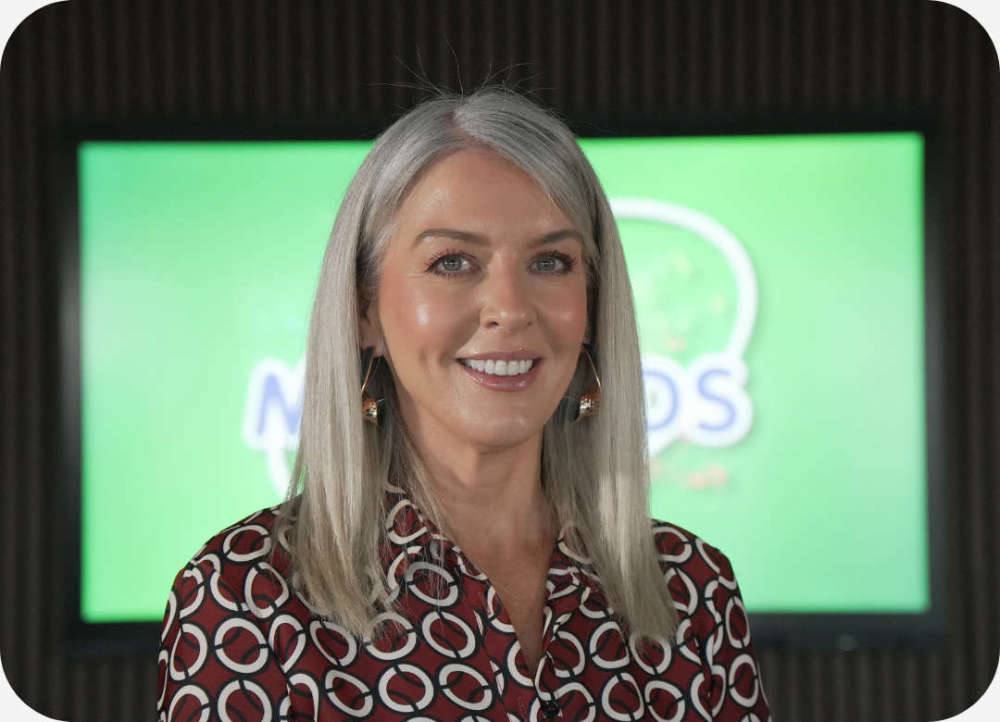
Gemma Fitzpatrick, Laois Area Manager, Midlands 103
The business of local business
Perhaps one of the least understood jobs in radio is sales.
The stereotype of the salesperson chasing the next deal has very little in common with the reality of successful local radio sales.
The lifeblood of Midlands 103 and South East Radio has always been local business.
Often, that's the family business that has served a town for generations. Sometimes it's an entrepreneur opening the doors for the first time, having taken a considerable personal and financial risk to pursue an idea they believe in.
And they're trusting us with some of their precious marketing budget.
We want that investment to work.
That's why a good business development executive doesn't simply sell somebody an advertising campaign.
They get to know the business.
Over time, they learn about the owner's ambitions, their opportunities and sometimes their fears. They discover that the business wants to open a second premises, that a competitor has arrived in town, that recruitment is becoming difficult, or that a quiet Tuesday afternoon is actually a bigger problem than Saturday morning.
Some of those relationships last for years – even decades.
South East Radio has been part of its community since 1989 and Midlands 103 since 1990. The relationships built between our commercial teams and thousands of local businesses over those years are an enormous part of what has sustained both stations.
At its best, the salesperson becomes much more than someone who sells advertising.
They become a marketing partner, a sounding board and, occasionally, a confidant.
And what if a 30-second commercial isn't the answer?
That's where the job gets particularly interesting.
The starting point shouldn't be: What can we sell?
It should be: What is this business trying to achieve?
Perhaps radio advertising is exactly the answer.
But perhaps there's an opportunity to create an outside broadcast or live event. Maybe there's a sponsorship idea nobody has tried before. Perhaps radio should be amplified through a digital campaign, video, social content or branded online material.
Increasingly, the solution may involve digital audio – reaching listeners through a station's live stream or creating opportunities around podcasts and other on-demand content.
That's not some distant future for radio. It's happening now.
Radio Centre Ireland's Irish Audio Report 2025 found that 96% of Irish adults consume audio every week. Live radio remains the biggest component, with 89% weekly reach, while 56% now listen to online on-demand audio each week.
And the commercial market is following the audience. Digital audio revenue earned by Irish radio broadcasters grew by 11.5% in 2025, while revenue from branded content, sponsorships and partnerships also increased.
So today's radio business development executive needs curiosity as much as a sales instinct.
They need to understand their customer's business, understand our audiences and then work with the wider team to find a creative way of bringing the two together.
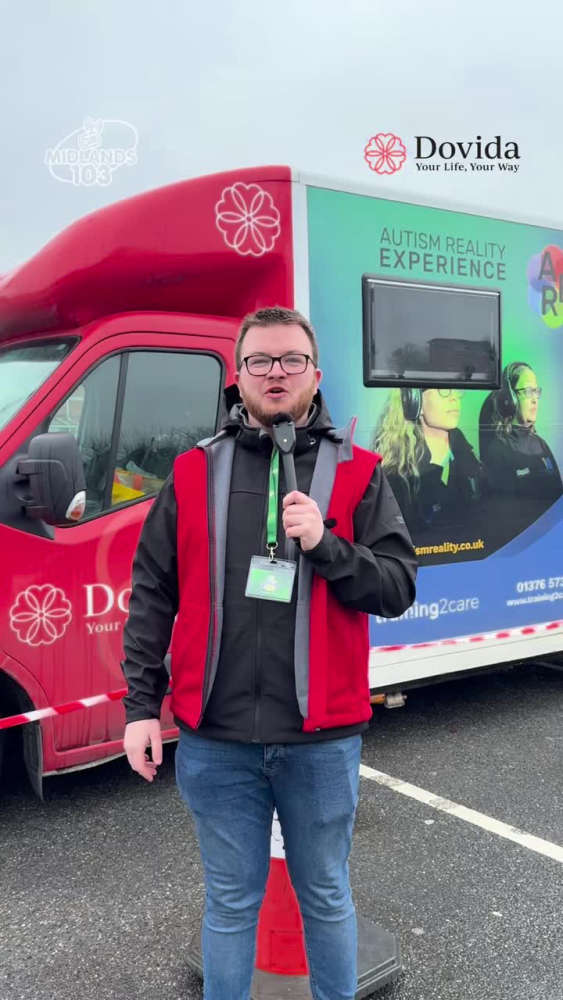
Michael Cannon, Head of Digital Media and Engineering, Midlands 103
From an idea to something you hear – or see
Once the idea is there, another group of people gets to work.
Our commercial production teams create the advertisements you hear every day, drawing on scriptwriters, producers and voiceover artists to turn a blank page into something memorable in 20 or 30 seconds.
And there's a reason you'll hear so many genuinely local voices.
Research commissioned by our national sales agency IRS+ tested advertising using national and regional accents among more than 15,000 people. Across four regions, including the Midlands and South East, the locally accented versions generated greater engagement than the national version, with the local voice preferred across 22 of the 24 age-group samples tested.
Perhaps that shouldn't surprise us.
Familiarity matters.
Authenticity matters.
Sounding like the community you're talking to matters.
But today, creativity at a radio station goes far beyond sound.
The digital creative who works in a radio station
This may be one of the most exciting changes in our industry.
Our digital marketing executives and content creators take some of the award-winning material generated by our radio teams every day and find new ways for it to live online.
But repurposing radio content is only part of the job.
They're also creating things that may never be broadcast on FM at all.
A client might need a bespoke social campaign. A video could be shot and edited that afternoon. A graphic might respond to something everybody in the region is suddenly talking about. Another campaign might involve photography, animation, competitions, branded content or an idea that didn't exist when everyone arrived for work that morning.
It requires camera skills, editing skills, photography and graphic-design ability.
But the most important piece of equipment is a creative brain.
Because great creative work is iterative: an idea starts with one person. Someone else adds something. A third person spots the problem. Someone from sales knows what the client will love. A presenter has a mischievous suggestion. A journalist knows the local angle. The person scheduling the advertisements or working in administration overhears the conversation and says:
"Why don't you...?"
And suddenly the idea is better. That's why the water cooler – literal or metaphorical – remains an essential piece of technology in a radio station. Our instinct is to ask "Why can we?" rather than immediately finding reasons why we can't.
Radio is changing. That's what makes it interesting. There was a time when defining a radio station was relatively straightforward. We made programmes. We broadcast them through an FM transmitter. People listened on radios. We still do that – and traditional radio remains extraordinarily strong. But our programmes now reach people through phones, smart speakers, websites and apps. Interviews become social videos. Programmes become podcasts. A commercial campaign can begin on FM, continue on a live stream and be amplified through digital and social media.
Radio Centre Ireland notes that connected listening has opened new opportunities for advertisers through streamed radio, podcasts and other digital audio, including the ability to tailor advertising according to factors such as location, time, device and context.
Which means the definition of working in radio keeps expanding.
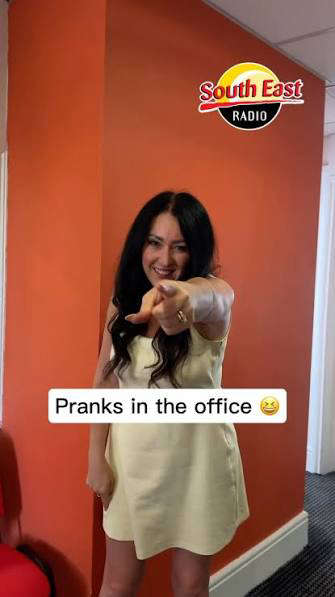
Julie McCracken, Presenter and Non-Tradtional Revenue Coordinator, South East Radio
Could you work in radio?
Maybe you've never considered it.
Perhaps you've assumed you need a broadcasting qualification or a burning ambition to sit behind a microphone.
You don't.
Some of the most important people in a radio station will never say a word on air.
They are relationship builders. Organisers. Problem solvers. Engineers. Accountants. Administrators. Designers. Videographers. Writers. Commercial thinkers and relentlessly creative people.
And right now, both Midlands 103 and South East Radio are growing their teams.
We have opportunities in business development, for people who are excited by local business, enjoy building lasting relationships and want to devise creative marketing solutions rather than simply sell a product.
We're also looking for talent in digital marketing – people who can combine practical digital skills with imagination, curiosity and the spark of an idea, and who are excited about where local media is going next.
You may not have thought of either of those as a career in radio.
Perhaps that's because we haven't always been good enough at explaining what a radio station really is.
Yes, it's the presenter behind the microphone.
But it's also all the people you never hear.
And without them, there would be nothing to listen to.
Click For Current Vacancies At South East Radio In County Wexford
Click For Current Vacancies At Midlands 103 In Counties Laois, Offaly And Westmeath
 Credit Union Lending Surges As Mortgage Growth Continues Amid Merger Wave
 Laois Farm And Brewery Included In Visit For German Travel Agents
 Midlands Food And Hospitality Winners Celebrate At Irish awards
 Laois Restaurant Closes Doors After Opening Two Months Ago
 Five New Members Appointed To TUS Governing Body
 Midlands Groups Win GWS Excellence Awards
 Three Midlands Hotels Listed in Top 100 List
 Laois Reaches Key National Broadband Plan Milestone
 Offaly Firm Appointed To Deliver Major €9m Midlands Project
 Laois Service Station Reopens After Multi-Million Euro Redevelopment