

In the last two months, two injured footballers in Laois were left waiting hours for an ambulance.
A sharp rise in demand for paramedics during the pandemic is being blamed for delays in responding to emergencies in the midlands.
Junior Finance Minister Seán Fleming is calling on the head of the National Ambulance Service to review the issue, after two teenagers in as many months were injured while playing sport in Laois and left waiting hours for an ambulance.
In a statement to Midlands 103, the HSE says it cannot comment on individual cases, but that the nearest and most appropriate response is dispatched to emergencies, with the most urgent calls prioritised.
It says for calls that are not deemed life-threatening or clinically serious, the HSE encourages callers to consider other options such as GPs, Minor Injury Units, Pharmacists or Self Care.
Here's the full response from the HSE when contacted by Midlands 103:
The HSE cannot comment on individual cases. Maintaining a client's confidentiality is not only an ethical requirement for the HSE, it is also a legal requirement as defined in the General Data Protection Regulation (GDPR) along with the Data Protection Acts 1988-2018.
All calls to the NAS are triaged and responded to appropriately – the nearest and most appropriate response is dispatched with the most urgent calls prioritised- the ambulance service operates on a national basis and mobilises responses to calls for assistance based on patient needs, ambulances may travel to various locations irrespective of their base as they are not confined to work in geographical areas.
Please note that when an ambulance is on route to the scene of an accident our Control Centre may learn that the patient has already been taken to hospital by car. In these cases, where the patient has left the scene, the ambulance will be stood down and will be dispatched to carry out another call.
In the last few months, health services, including the National Ambulance Service (NAS), continue to experience a surge in demand for services at a time when staff are also working hard to support COVID related swabbing and vaccinations. Our staff continue to work incredibly hard trying to deliver normal health services, respond to the pandemic and support some staff whom needed to get annual leave during peak holiday season. The HSE is incredibly thankful for the continuing efforts of all of our staff in what remains challenging circumstances.
In recent months, demand for emergency services has risen sharply. This demand is also being experienced across Emergency Departments. At this time, the level of demand now exceeds the levels experienced in 2019, i.e. pre pandemic.
As demand can exceed available resources, 999 calls are clinically triaged and prioritised to ensure that those patients with life threatening injuries or conditions receive the fastest response possible. If the 999 call is not time critical, then during busy periods, these calls will wait longer for a response. Thankfully, it remains the case that the majority of 999 calls do not relate to life threatening emergencies. For those calls that are not life threatening or clinically serious, the HSE encourages callers to consider other options such as GPs, Minor Injury Units, Pharmacists or Self Care. If you call 999 and your call is triaged as not life threatening or serious, we will respond as soon as we can.
The call taking/dispatch function is operated by the National Ambulance Service National Emergency Operations Centre (NEOC) which operates across two sites, Dublin and Ballyshannon. NEOC utilises Advanced Medical Priority Dispatch System (AMPDS) using international standards in triaging and prioritising emergency calls. NEOC dynamically deploys resources to areas where cover is required or to respond to incidents as they arise to ensure the nearest available resource responds to emergencies. This system ensures that life-threatening calls receive an immediate and appropriate response, while lower acuity calls may have to wait until a resource becomes available.
All 999 calls are clinically triaged based on the patient’s condition and the nature and location of other 999 calls in the area are understandably not apparent to callers when they call 999. Notwithstanding this, the HSE welcomes the opportunity to engage with service users to understand their experience and to see if an opportunity for service improvement exists. In this regard, the HSE encourages any service users who wishes to discuss their experience to contact the HSE directly through Your Service, Your Say.
 Midlands Beautician Turned Tarmac Layer Sing Trades Praises
 Laois Company Wishes Rose Of Tralee Luck For DWTS Final
 Regional March For Gaza Taking Place In Offaly Tomorrow
 Digital Career Skills Platform Launches For Midlands
 Canadian Ambassador To Ireland Visits Offaly
 Laois Council Moves To Acquire Derelict Building On Main Street
 Offaly TD Demands Stronger Ticket Touting Laws As Six Nations Prices Hit €3k
 Offaly Hotel Manager Highlights Lack Of HSE Staff To Register Marriages In County
 Threshold Express Concern Over Excessive Short Term Lets
 New Highly Skilled Midlands Jobs Announced
 Wind Chill Expected To Bring Back Winter Feeling
 Pieta House Expected To Close Midlands Services
 Westmeath Hotel Applies For New Wellness Centre
 Midlands MEP Demands Stronger Disability Access Laws
 Tullamore Lions Club Named All Ireland Club Of The Year
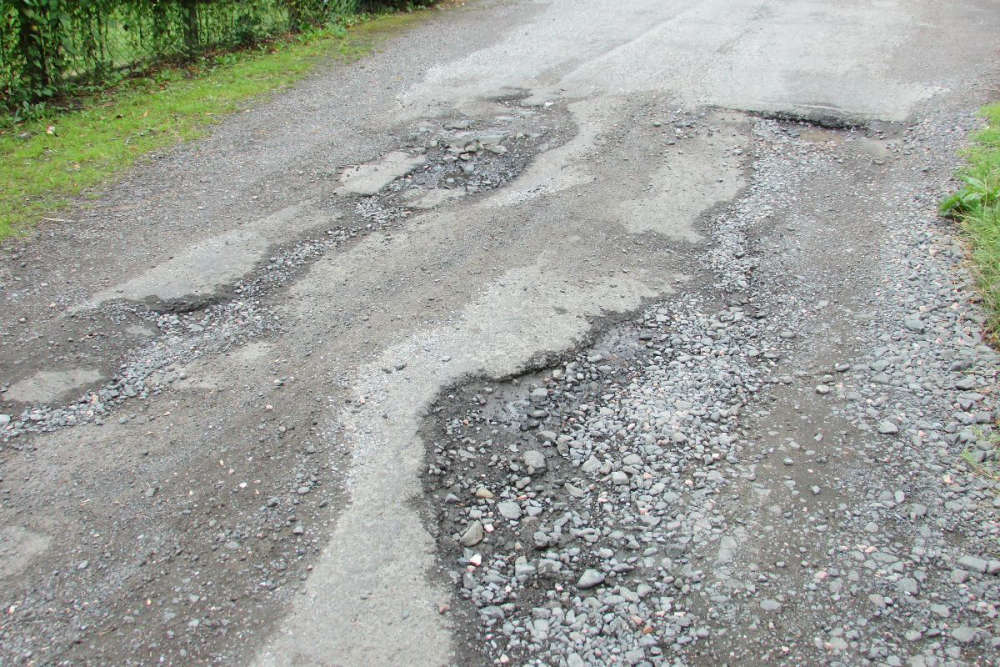 €366k In Compensation Paid Last Year For Pothole Damage To Motorists
 Offaly Councillor Expresses Concern On 'Nearest School' Rule For Online Admission
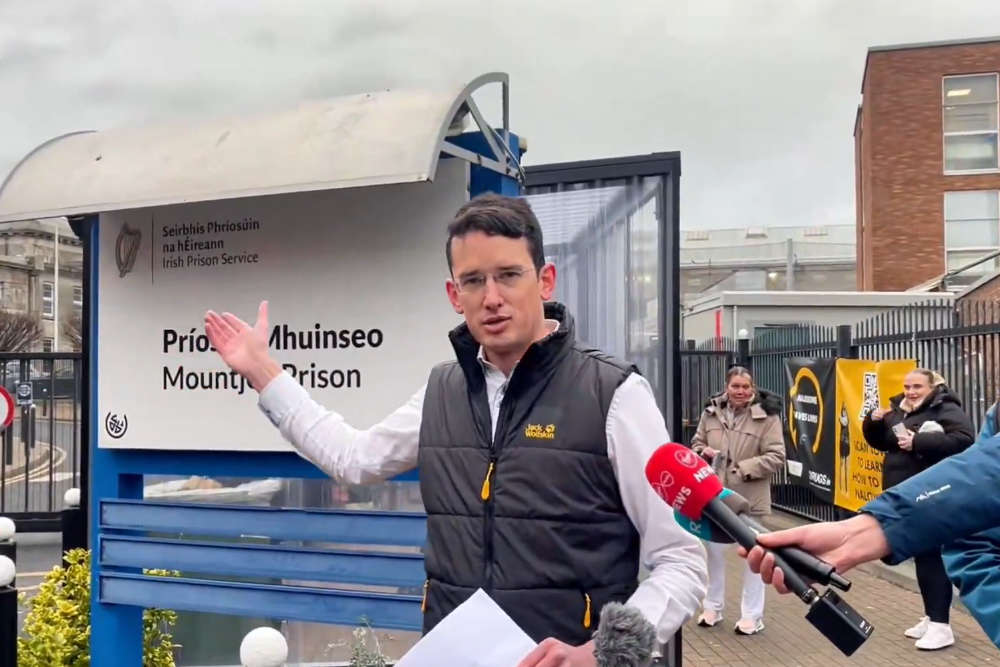 High Court Hears Moving Enoch Burke To Castlerea Prison Was 'Lawful'
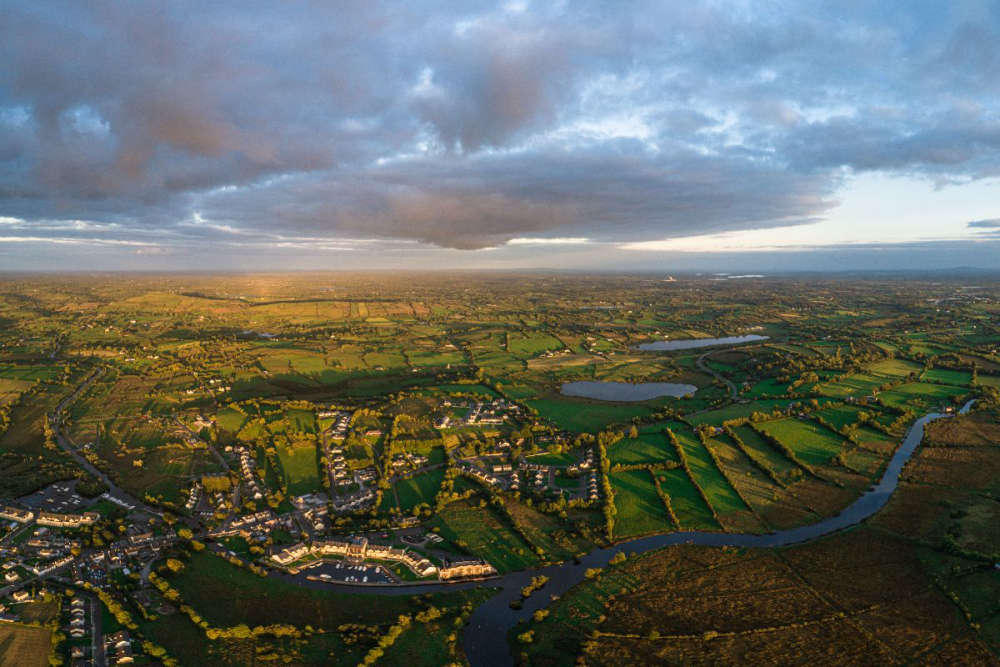 IFA Welcome Plan To Dredge Parts Of River Shannon In Offaly
 Regional Enforcement Authority To Prevent Illegal Peat Extraction Still Being Formed