

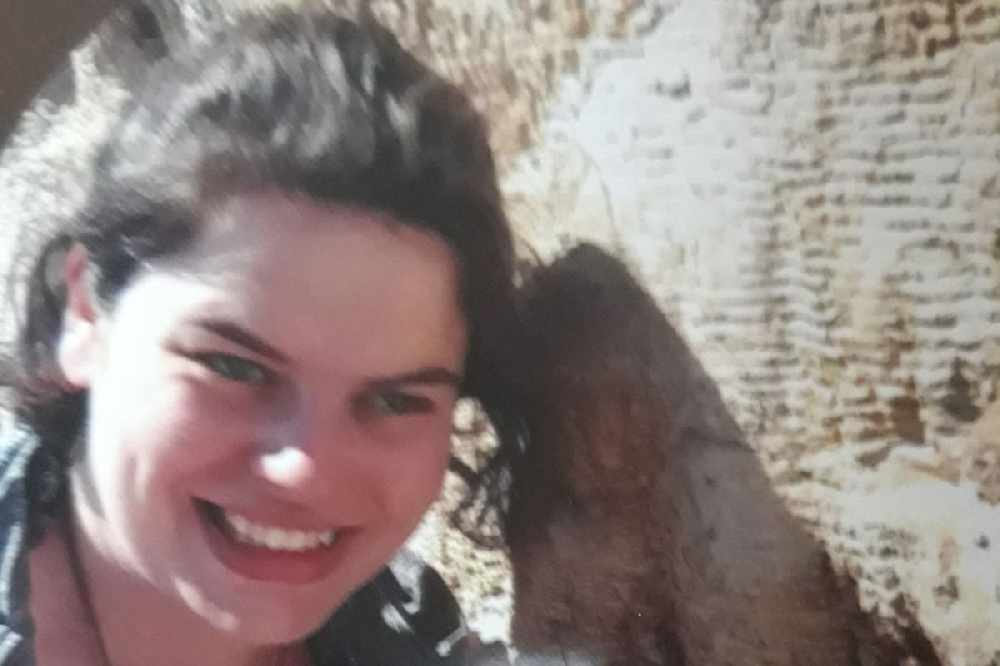
24 year-old Gemma McGee died of a particularly lethal strain of meningitis and septicaemia.
A coroner has called for a public awareness campaign to highlight the dangers of a particularly lethal strain of meningitis and septicaemia following an inquest into the sudden death of a 24-year-old Longford woman.
Dr Myra Cullinane made the recommendation for increased information about meningococcal W (MenW) at the conclusion of an inquest at Dublin Coroner’s Court into the death of Gemma McGee who died on August 4, 2018 within 36 hours of falling ill.
The MenACWY vaccine, for which Gemma’s parents had actively campaigned after her death, was introduced in 2019 for 1st year students in secondary schools due to a rise in cases of MenW infection.
However, her family claim improved care and greater public awareness are still needed to ensure nobody else dies from a preventable disease.
The inquest heard that the Trinity College Dublin graduate and talented boxer from Aughnacliffe, Co Longford had suddenly begun experiencing vomiting, diarrhoea and seizures on August 3, 2018 in her apartment in Mullingar, Co Westmeath as she and two cousins were preparing to travel to Cork for a music festival.
Ms McGee’s father, John, said his daughter had appeared fit and healthy when he saw her on the previous day.
“She was a healthy young woman – same as ever,” said Mr McGee.
Her cousin, Lauren McKeown, told the hearing that at one stage, Gemma was unconscious and her lips had turned blue as well as a rash developing on large parts of her body.
The inquest heard Gemma was brought by ambulance to the Regional Hospital Mullingar before being transferred to the Mater Hospital in Dublin to access a specialised piece of equipment but died a few hours later.
Dr Owen MacEneaney, who performed an autopsy, said Gemma had died from the combined effects of septic shock and a form of abnormal blood clotting due to severe meningococcal septicaemia.
Dr MacEneaney said MenW was fatal in around 10% of cases while 30% of infections presented as septicaemia without meningitis.
The pathologist said Gemma had no other illness and had no signs of meningitis.
Following evidence from a number of medical witnesses, Dr Cullinane returned a verdict of death due to natural causes.
The coroner also recommended that PCR tests for the infection at the Irish Meningococcal and Meningitis Reference Laboratory at Temple Street Children’s Hospital should be carried out on a seven-day basis.
The inquest heard that the results of a blood sample taken before Gemma died only confirmed MenW infection three days after her death because testing was not carried out over a bank holiday weekend.
Speaking outside the court, Gemma’s mother, Rosaleen McGee, described her daughter, who worked as a geologist, as “a bright spark and full of spirit who achieved everything she set out to do.”
Ms McGee said her family’s life had been turned upside down as a result of Gemma “dying in the most horrific manner from a vaccine preventable disease.”
“Gemma had all her vaccines or so we thought but she didn’t have the one which could have saved her life,” she added.
Despite the introduction of the MenACWY vaccine in Ireland, Ms McGee said there was no catch-up programme for people aged over 13 years, while she also criticised the lack of publicity about the vaccine which she pointed out could be obtained privately for €50.
“Our daughter’s life could potentially have been saved by this vaccine but we knew nothing about it,” said Ms McGee.
She also expressed disappointment that Prof Karina Butler, a consultant in infectious diseases at Children’s Health Ireland, told the inquest that a catch-up programme for the MenACWY vaccine was not deemed cost-effective by the health authorities, when it was available for those aged 14-25 in Northern Ireland.
“It is not acceptable that a vaccine exists but is not freely available in the Republic,” said Ms McGee.
She said several questions about her daughter’s death remained unanswered after the inquest including how Gemma had contracted the infection and why she had to wait for an ambulance from Tullamore even though she was living a short distance from the hospital in Mullingar.
She said there were no doctors or advanced paramedics in the ambulance which arrived despite her case being flagged as extremely urgent.
Ms McGee said the treatment for sepsis was receiving antibiotics as quickly as possible but it was over 90 minutes after the 999 call before she received any drugs at the hospital to treat her condition.
 Planning Permission Approved For New 800 Pupil Secondary School In Midlands
 Annual Rose Of Tralee Tour Underway
 Longford-Westmeath TD Urges Action On Vacant HSE-Owned Buildings
 Taoiseach Backs Offaly Camino Proposal
 Laois Pride Launch Writing Competition In Memory Of Joe Drennan
 Laois Truck Driver Arrested For Driving Overweight Truck Under Influence
 Offaly Business Closed Over Food Safety Breach
 Gardai Continuing Laois Meadow Fire Investigation